
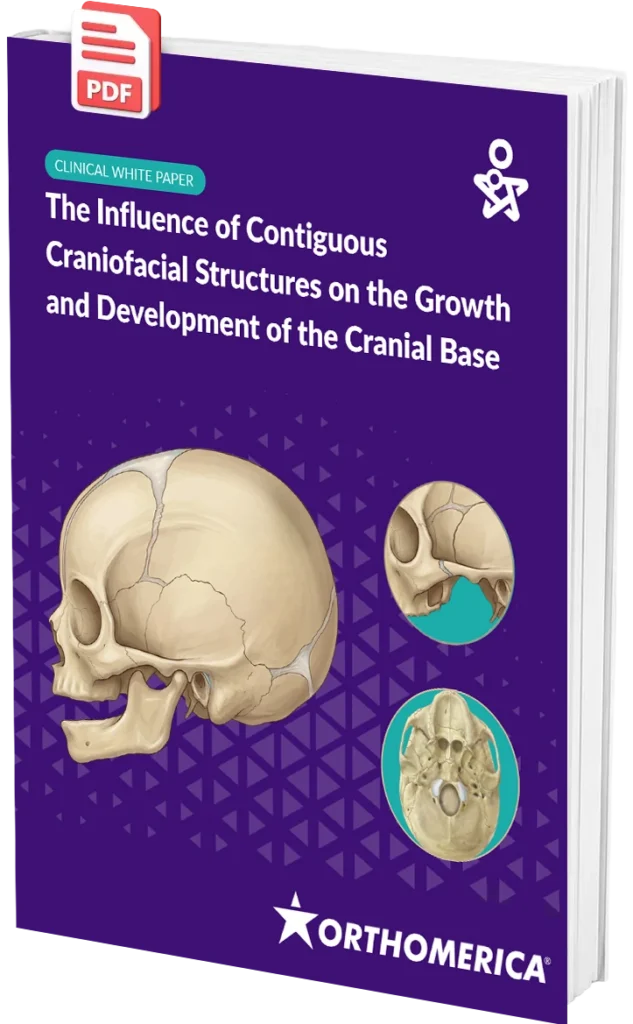
Cranial asymmetry may involve more than the visible shape of the cranial vault.
Because the neurocranium, cranial base, and facial structures develop as an interconnected functional unit, displacement in one region may influence the growth and alignment of neighboring structures. For clinicians treating deformational plagiocephaly, understanding these relationships can support more comprehensive assessments, better-informed cranial remolding orthosis design, and more effective patient care.
This clinical white paper explores how cranial growth, ear shift, torticollis, and adjacent craniofacial structures may influence treatment considerations during the critical first year of life.
Complete the form below to get instant access to this complimentary clinical resource.
Download this complimentary white paper covering peripheral neuropathy, Charcot foot syndrome, wound management, and orthotic treatment strategies.
Instant access. No cost.
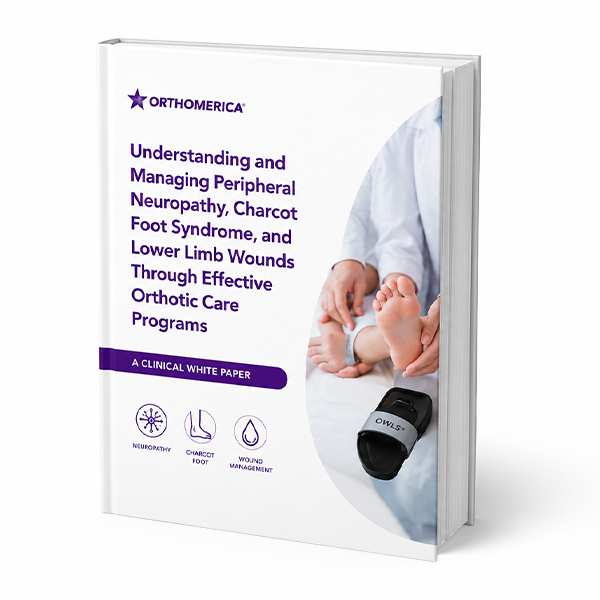
Created to support evidence-based assessment, orthotic planning, and long-term patient care.
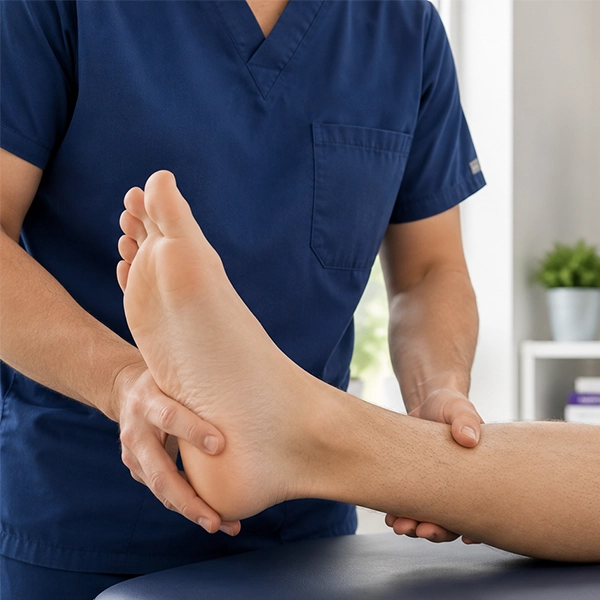
Peripheral neuropathy, Charcot foot syndrome, and chronic lower limb wounds rarely occur in isolation. One condition often leads to the next, creating a destructive cycle that can result in ulceration, infection, and amputation.
With more than 20 million Americans affected by peripheral neuropathy and diabetic foot complications remaining the leading cause of non-traumatic lower limb amputations in the United States, clinicians need practical guidance for recognizing and managing these interconnected conditions before they progress.
This white paper provides a clear clinical framework for understanding disease progression and implementing orthotic treatment strategies throughout every stage of care.
Understand how peripheral neuropathy contributes to Charcot foot syndrome and wound development.
Recognize each stage of disease progression and appropriate clinical interventions.
Classify diabetic foot ulcers using one of the most widely recognized grading systems.
Explore four key concepts that improve protection, offloading, and healing.
Learn how each device supports different phases of treatment and recovery.
Understand why long-term patient management is essential to reduce recurrence.
See how coordinated care improves clinical outcomes across specialties.
Download the complete clinical white paper and access all insights.
Gain practical, evidence-based guidance for managing complex lower limb conditions with greater confidence. This clinical resource helps transform research into actionable strategies you can apply in everyday patient care.
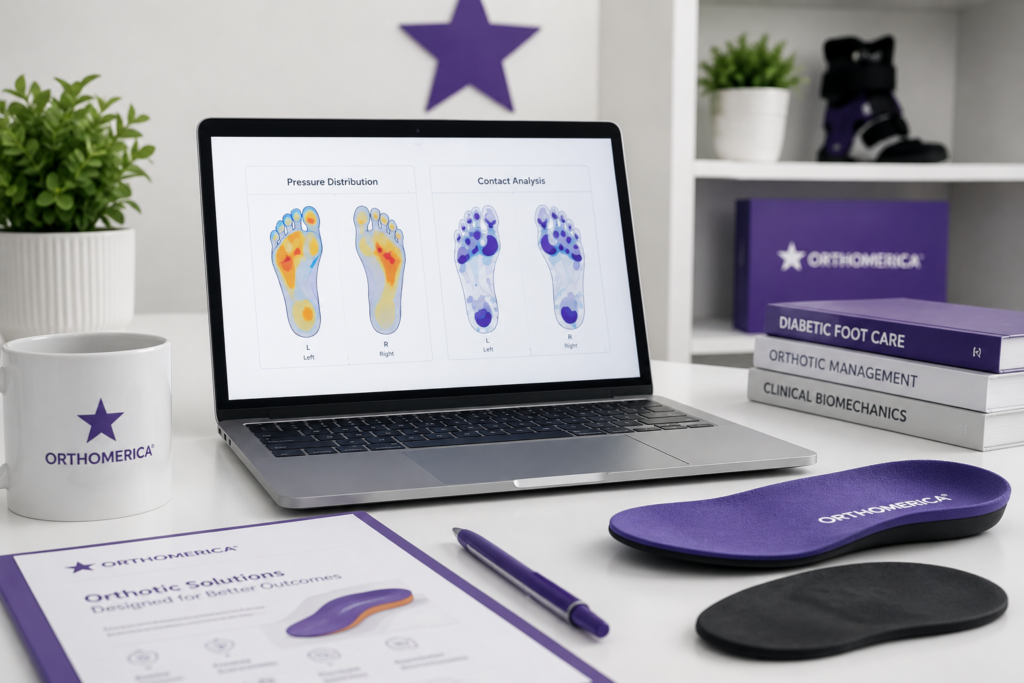
Created for orthotists and healthcare professionals, this white paper combines current clinical evidence with practical orthotic applications to help improve treatment planning, patient outcomes, and long-term limb preservation.
Download this complimentary clinical white paper and gain practical guidance for managing peripheral neuropathy, Charcot foot syndrome, and lower limb wounds with greater confidence.
Use this field to search within a specific product category.
